How Game Employers Use Technical Interviews to Filter Junior Candidates

The Canadian game development industry has evolved into one of the most competitive entry-level markets globally, with studios receiving hundreds of applications for each junior position. According to Glassdoor data, only 19 junior game developer openings were listed across Canada in recent months, while Unity's hiring analytics reveal that technical interview failure rates for junior candidates exceed 75% at major studios. This selectivity reflects not just market saturation, but a deliberate filtering strategy that Canadian game employers have refined to identify candidates who can contribute meaningfully from day one.

Read More

Understanding Provincial Tuition Subsidies for Creative Programs

Provincial tuition subsidies represent a critical funding mechanism designed to reduce financial barriers for students pursuing creative education across Canada. These government-supported programs provide direct cost reductions through tuition waivers, fee coverage, and grant assistance specifically targeted at arts and creative disciplines. Unlike federal funding programs that operate nationally, provincial subsidies are tailored to address regional needs and priorities within each province's creative sector development strategy.

Read More

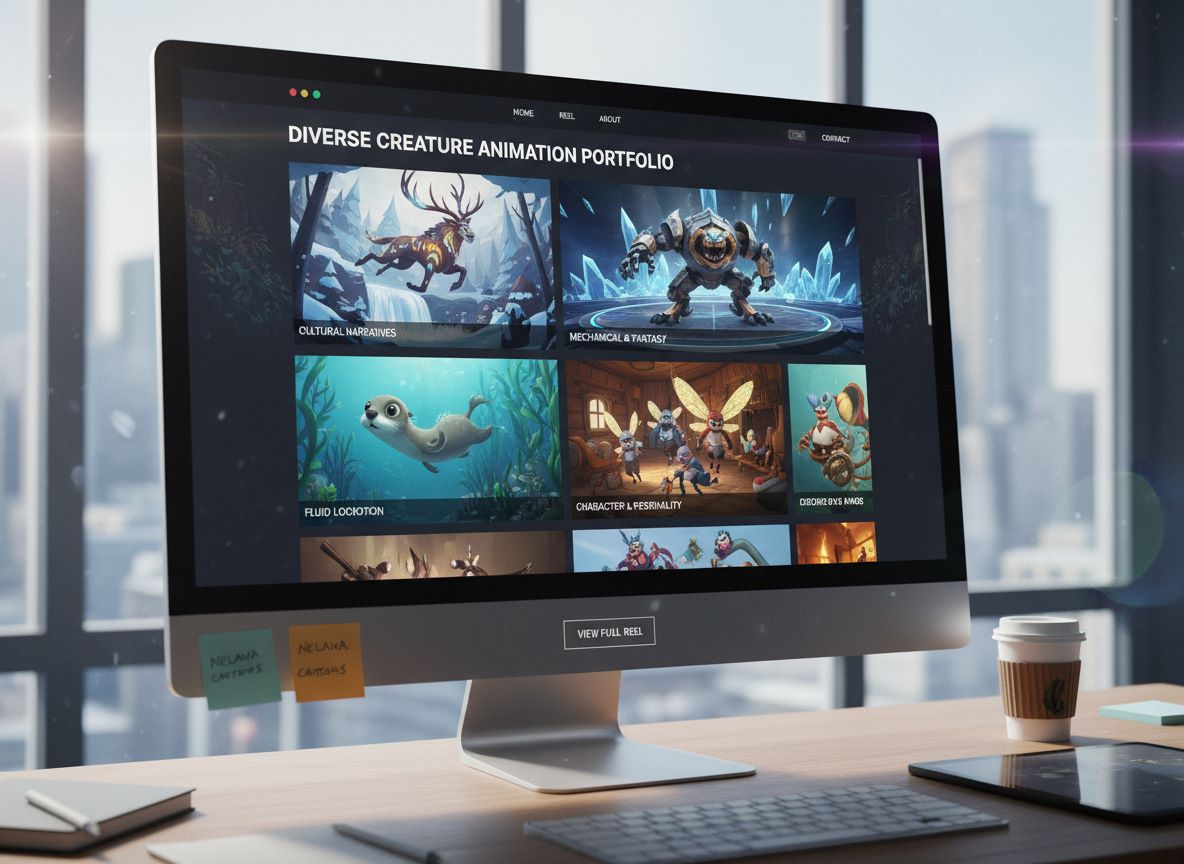
How to Build a Competitive Creature Animation Portfolio for Studios

Canada's creature animation industry is experiencing unprecedented growth, with powerhouse studios like Nelvana and WildBrain leading a creative renaissance that blends cutting-edge technology with rich cultural storytelling. Yet despite this booming market, over 80% of creature animation portfolios submitted to Canadian studios fail to meet their unique standards, often lacking the cultural sensitivity and technical innovation that define the country's distinctive animation landscape.

Read More

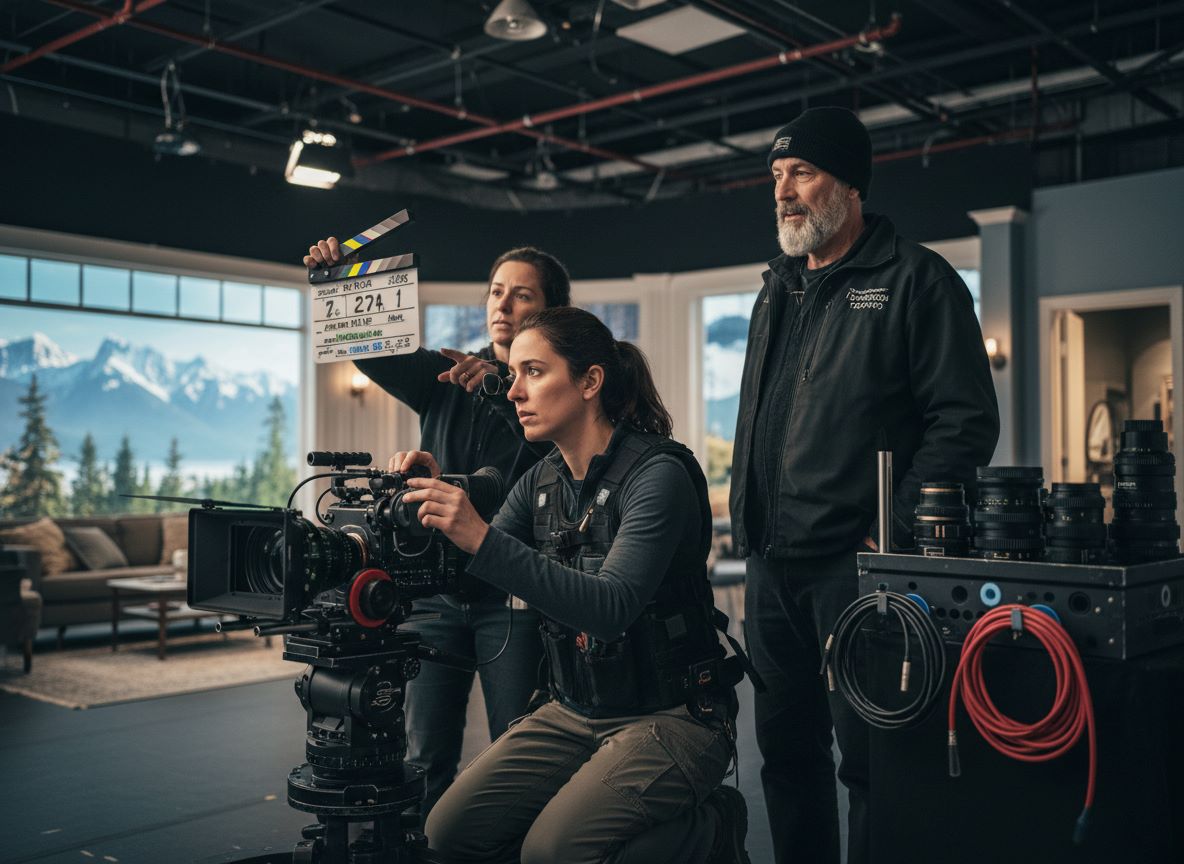
What Film Producers Look for in Assistant Camera Candidates

The 1st Assistant Camera position represents one of the most critical technical roles in Canadian film production, serving as the precision backbone that keeps every shot razor-sharp and professionally executed. From the bustling soundstages of Toronto's Pinewood Studios to the mountain vistas of Vancouver's location shoots, 1st ACs handle the demanding responsibilities of focus pulling, lens calibration, and camera system management that can make or break a production's visual quality.

Read More

Step-by-Step Guide to Securing a Post-Graduation Work Permit After a VFX Advanced Diploma

Canada's visual effects industry is booming, with studios across Vancouver, Toronto, and Montreal creating groundbreaking content for major Hollywood productions and streaming platforms. For international students completing VFX advanced diplomas, the Post-Graduation Work Permit (PGWP) represents a crucial stepping stone toward permanent residence through Express Entry and Provincial Nominee Programs. The pathway becomes even more attractive with recent IRCC updates that recognize VFX programs under specific STEM-designated CIP codes, offering extended work authorization for qualified graduates.

Read More